At Puppy Jake Foundation, every dog who enters training does so with the goal of becoming a service dog for a veteran. These dogs are carefully bred, thoughtfully raised, and supported through a structured training program designed to prepare them for a very important job.
Sometimes, despite everyone’s best efforts, a dog’s journey takes a different path.
Affectionately, we call these dogs our “fabulous flunkies.” Within our program, we also use the term “re-careering.” In the military, re-careering refers to transitioning into a new role when someone’s strengths are better suited for a different mission. The same idea applies to our dogs. They gave their best effort, but service dog work simply wasn’t the right fit.
When the Job Isn’t the Right Match
Service dog life can be truly amazing—if the dog truly loves the job.
When a dog finds joy and purpose in the work, you see it in everything they do. There is confidence, engagement, and a genuine partnership with the people around them.
But when the work doesn’t suit who a dog naturally is, it can be a very difficult life for them.
Some challenges may improve over time, but they don’t simply disappear. Our trainers give each dog the time, guidance, and support needed to work through hurdles. At the same time, we must be honest about what each dog can realistically sustain over the course of a working lifetime.
These decisions are never made lightly. They are always guided by what is best for the dog—and for the veterans who will ultimately rely on them.
If a dog will be happier elsewhere, we believe they deserve the chance to live where they can be their best self—even if that means life as a beloved pet or a different kind of working dog.
Exactly Where They Belong
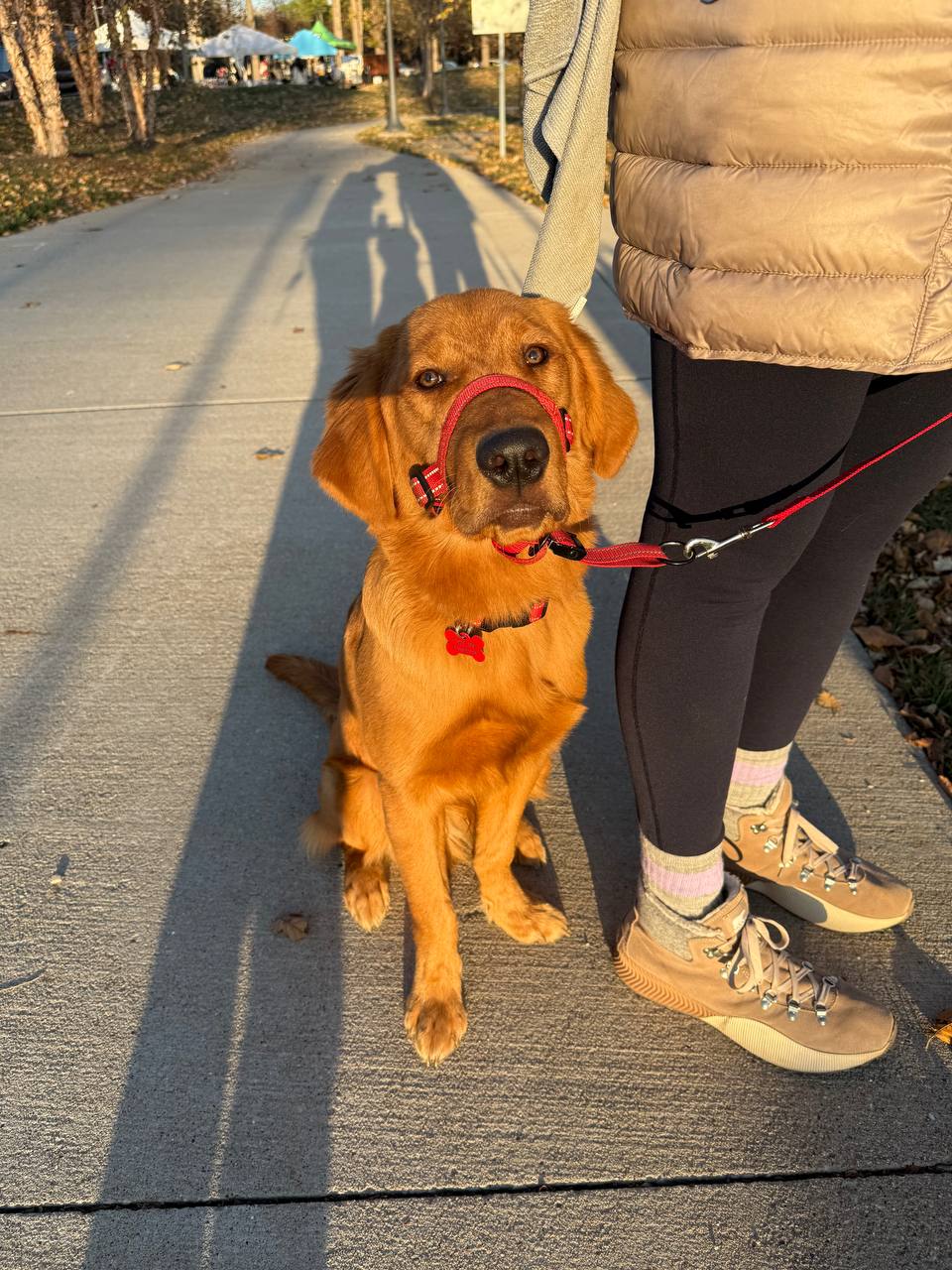
Phelan was a great dog in the program and worked well with people early in training. But in Phase 3, her anxiety began to show. She became hesitant with unfamiliar people and barked at a few children, which raised concerns about whether service dog work would truly suit her long term.
Then something special happened.
When her new family walked through the door, Phelan went right up to them as if to say, “I’ve been looking for you.”She greeted Leo, age 10, without hesitation. In that moment, it felt very similar to a veteran match—pure magic.
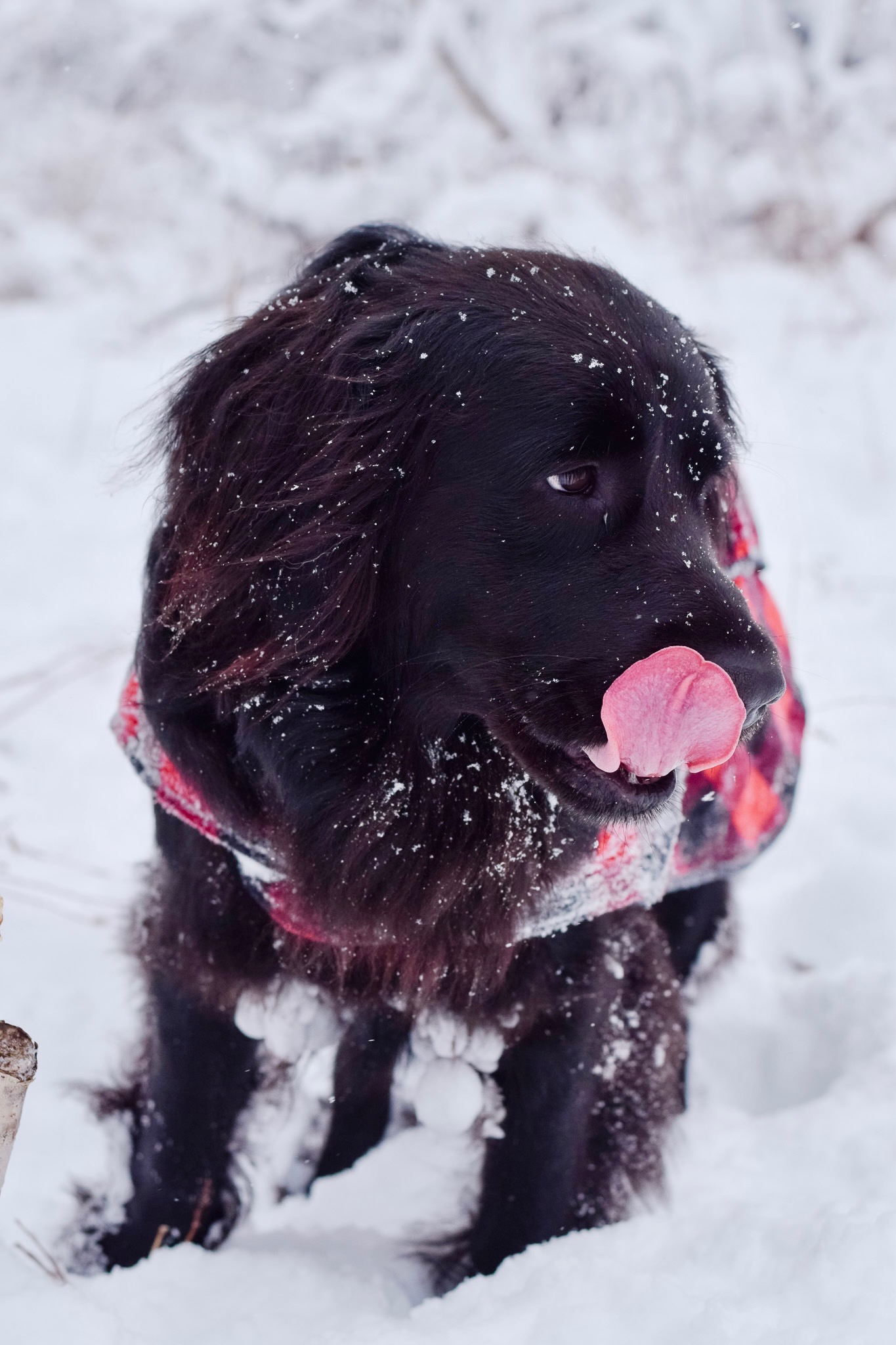
We saw the same kind of outcome with Jack, O’Henry, and Foto (now Yadi). Each of them tried to be what we asked, but the role simply wasn’t what they wanted. When they found their families, their personalities truly began to shine.
Then there’s Meadow, whose story shows just how important the right environment can be.
Meadow is incredibly smart and loves to learn. She can work for hours thanks to her high energy and intense drive. By the middle of Phase 2, it became clear that her work style was far beyond what service dog work requires.
When Meadow returned to her Phase 1 foster—who adores her work ethic—it was easy to see she had found the right fit. Meadow has since certified in pest detection and now spends her days doing exactly what she loves: working hard in a job perfectly suited for a dog who can go full speed all day.
A Different Finish Line
Do we wish we could have gotten them across the service dog finish line? Absolutely.
But when you see these dogs thriving in environments that suit them, there is happiness in knowing they ended up exactly where they belong.
Their journeys also deepen our appreciation for the dogs who do make it to the finish line. Those dogs are just as fulfilled in their work as our fabulous flunkies are in their homes or new careers.
And ultimately, that’s what matters most.
Every dog deserves the chance to live a life where they can truly thrive.
Thank you for caring so deeply about these dogs and for helping ensure each one ends up exactly where they belong.