In every service dog in training’s journey, there are moments that ask us to pause, evaluate and make thoughtful decisions. These moments, what we often call “red flags,” are not failures. They are opportunities to better understand a dog and determine the best path forward.
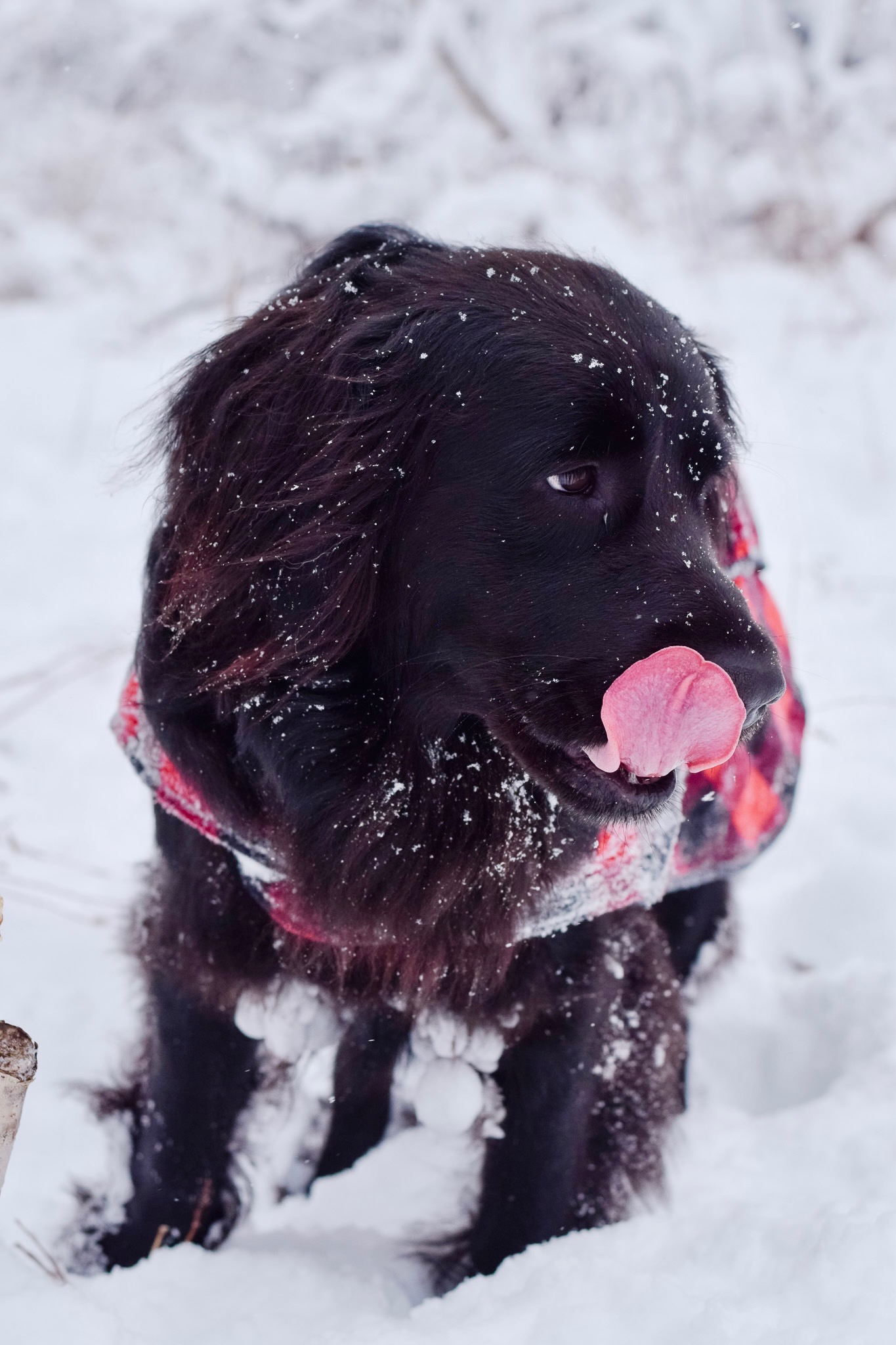
Recently, two of our dogs in training, Allye and Cubby, gave us exactly that opportunity.
At the prison, Allye began struggling in the kennel. She was whining and unable to settle, which was not a behavior she had not shown during Phase 1 or even during furlough. Our training team immediately began working through remediation protocols, but despite those efforts, the behavior persisted. It became clear that something needed to change.
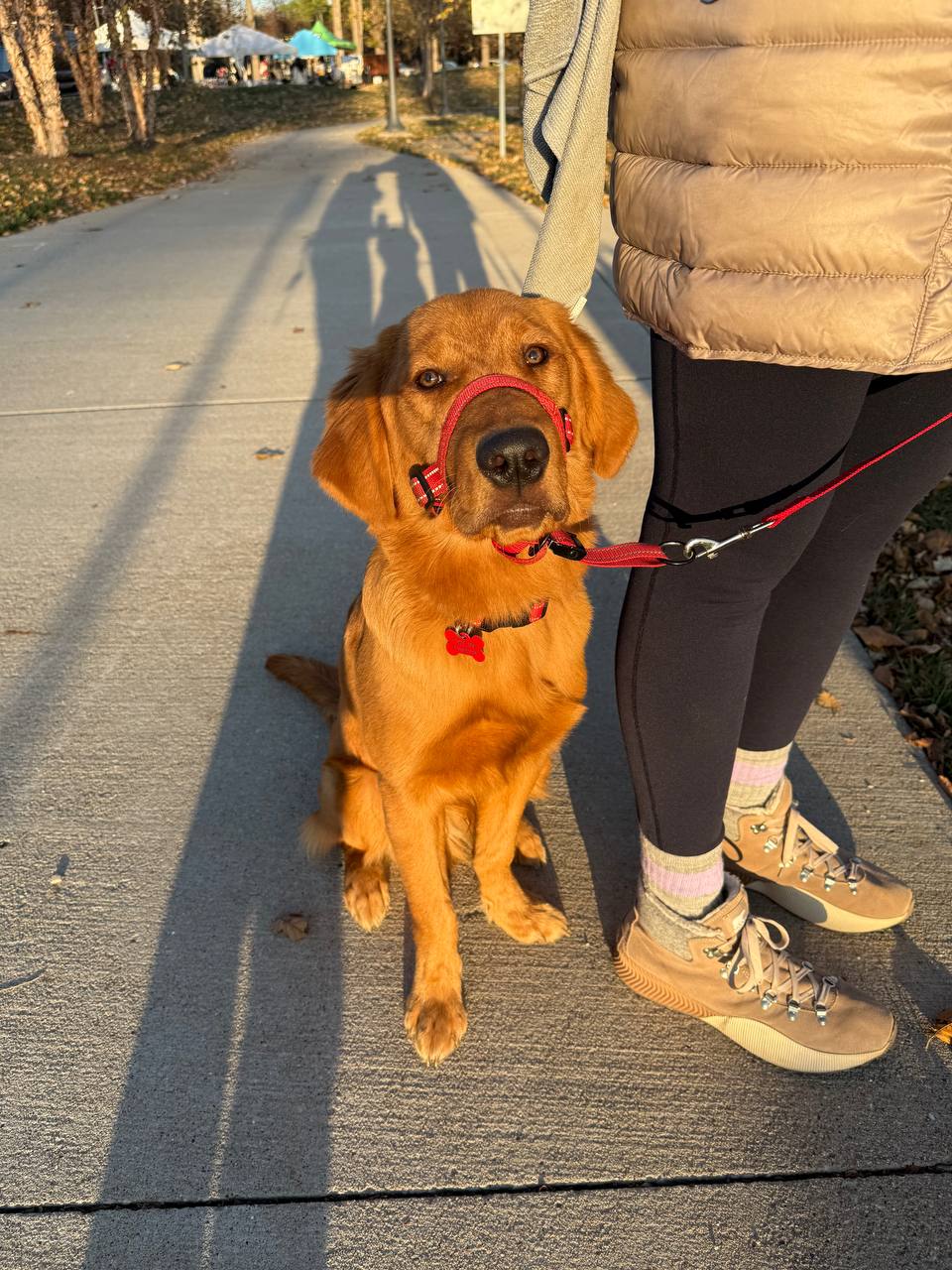
Cubby’s situation was similar, though it presented differently. We attempted remediation, but he continued to struggle. In his case, we made the decision to move him to the prison environment, where there are fewer distractions and more structure. He will now work with Brian, a long-time handler who has consistently helped us make meaningful progress with dogs needing additional support.
These decisions are never made lightly. They are guided by a structured process we call 3-3-3.
Our 3-3-3 Approach
The name may not be creative, but the process is intentional.
Before making a major decision about a dog’s career path, we need to see:
- The behavior three times
- In three different environments
- With three different handlers or trainers
This framework helps us avoid two critical mistakes: moving a dog out of the program too quickly, and equally importantly, waiting too long when a change is needed
It ensures our decisions are based on consistent patterns and not isolated moments.
Take Allye as an example. While her kennel behavior has appeared repeatedly at the prison, but we have not yet seen it across multiple environments or handlers. That matters. It tells us we still need more information.
By introducing a new handler and environment, we give Allye another opportunity. Will the behavior reappear? If it does, can it be improved with a different approach? These are the questions we need answered.
If the behavior resolves, we celebrate that progress. If it does not, we can confidently say we made every thoughtful effort to help her succeed.
Why This Matters for Our Dogs—and Our Veterans
Service dogs in training go through significant changes in their first two years of life. Adolescence, in particular, can bring out genetically driven tendencies that were not visible earlier. Some behaviors can be improved or redirected. Others may require ongoing management.
And that’s where we draw an important line.
While it is possible for the right handler to manage certain behaviors, “managing” is not the goal of our program. We are committed to placing service dogs that strengthen the relationship between a veteran and his or her dog—not add stress or ongoing challenges.
If a dog requires constant management, we have to ask what happens over time and whether the behavior will improve or escalate.
Our training team often talks about stress stacking, where multiple small stressors build over time and create bigger challenges for the dog. A behavior that seems manageable early on can become much more difficult as pressures increase.
That’s why the 3-3-3 process is so important. It gives us the data we need to make informed, responsible decisions that prioritize both the dog’s well-being and the long-term success of the veteran partnership.
Moving Forward with Intention
Every dog in our program is given every opportunity to succeed. That includes adjustments, additional training, new environments and different handlers when needed.
Sometimes, those changes lead to breakthroughs. Other times, they lead us to a different path for that dog. Both outcomes are part of responsible training. Because behind every decision is a simple goal: preparing service dogs that are ready to support veterans with confidence, stability, and trust.