It happened so fast.
Four Puppy Jake Foundation trainers with four Phase 4 service dogs in training were headed to Shedd Aquarium during a recent training trip to Chicago. The group had already been to a baseball game and a walking tour learning about Chicago’s gangster history. Everything was going well until they turned a corner.
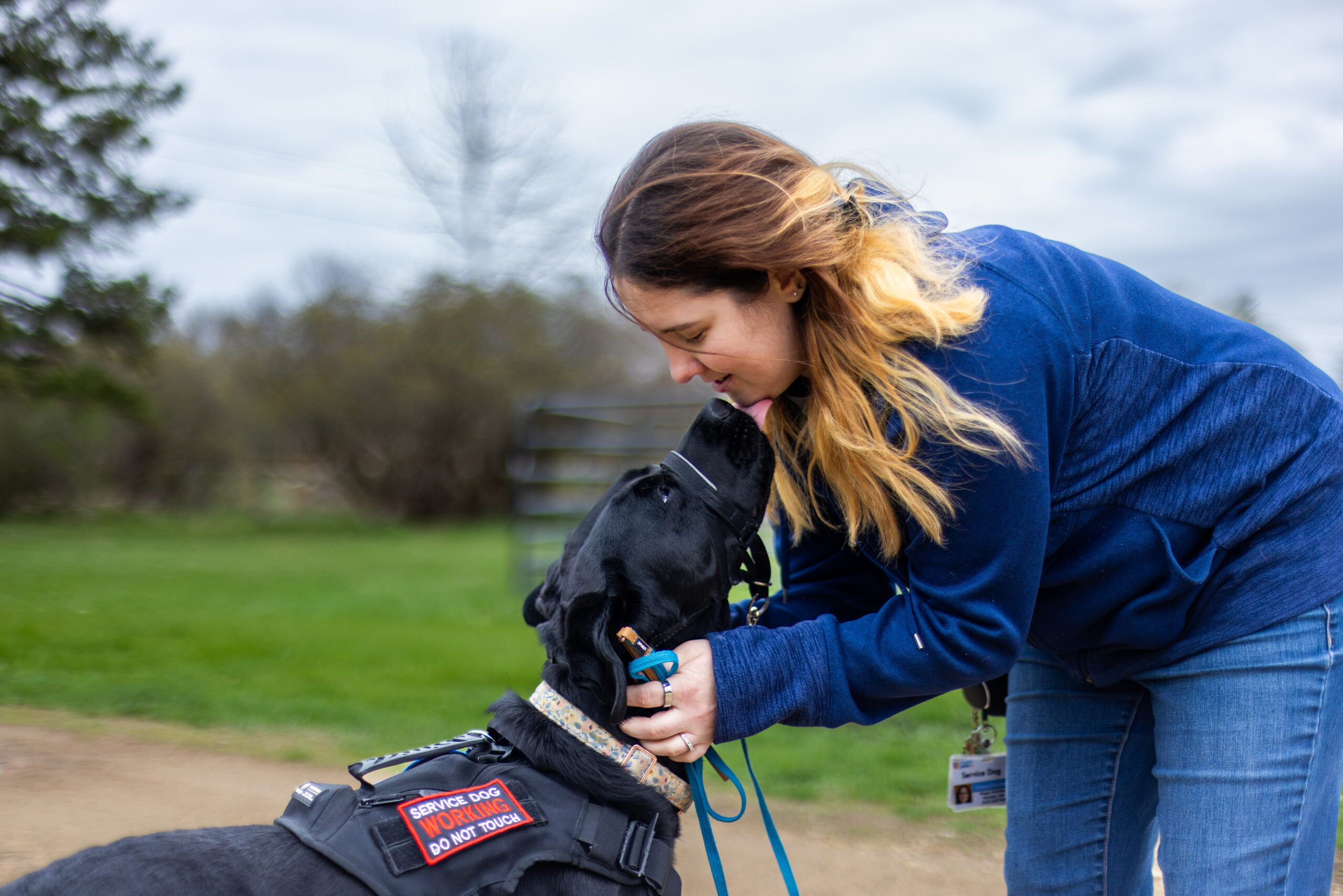
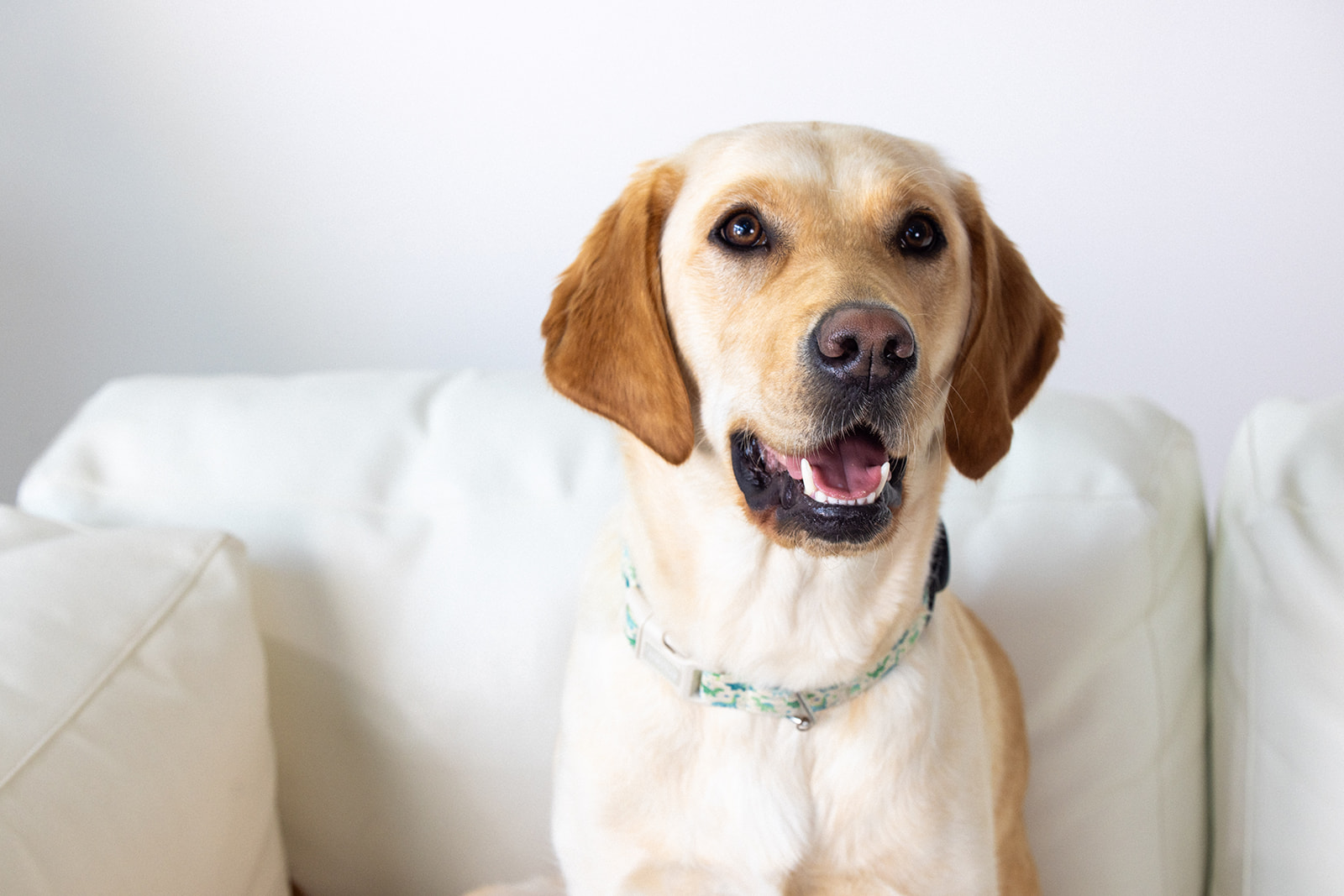
A dog wearing a service vest lunged and made contact with Cocoa Bean. Fortunately, there were no puncture wounds or other obvious injuries. Cocoa Bean seemed to shake it off. Our trainers didn’t.
No words were exchanged with the dog’s owner. What could be said? Our trainers were already thinking about Cocoa Bean and what they needed to do to make sure one bad experience didn’t create a lasting trust issue with other dogs or lead to reactive behavior in public.
Because for a service dog in training, one bad encounter can change everything. We know. In recent years, Puppy Jake has had to re-career two service dogs after they were attacked in public by other dogs wearing service vests.

It’s easy to ask: What’s the harm? We live in a dog-friendly world. Many restaurants, stores, hotels and other public places invite well-behaved pet dogs in. That’s their prerogative, and frankly, we think it’s great. That’s not what we’re talking about.
We’re talking about purchasing a service dog vest and putting it on a pet dog so you can take the dog somewhere pets aren’t otherwise allowed. We get it. Most of our trainers, fosters and volunteers have pet dogs. We love our pet dogs. Some are great in public. Some would rather stay home. And others, despite our best intentions, just don’t listen.
But even a really well-behaved pet isn’t a service dog.
Under the Americans with Disabilities Act, a service dog is individually trained to perform work or a task related to a person’s disability. That might be retrieving dropped items, providing mobility assistance, alerting to a medical condition, guiding someone who is blind or performing a trained task that helps a veteran manage PTSD.
The dog has a job to do. The ADA also intentionally protects the privacy of people with disabilities. A business can’t demand certification or ask someone to disclose his or her disability. There are good reasons for those protections.
Unfortunately, people take advantage of them.
Maybe they don’t want to pay a pet fee when they travel. Maybe they don’t want to leave the dog at home. Maybe having the dog nearby makes them feel calmer.
Whatever the reason, putting a service vest on a pet doesn’t make it a service dog. And that’s where the harm extends well beyond what happened to Cocoa Bean.
Several times a month, Puppy Jake has to advocate for veterans who have been questioned or denied access to a public place with their service dogs. Sometimes the business has simply had enough. They’ve dealt with dogs wearing service vests that bark, pull at the end of the leash, approach other customers, seek food or aren’t under the control of their handlers. Then the next person walks through the door with a legitimate service dog and is treated with suspicion.
Our veterans are the ones who pay the price.
We saw a version of this during a training trip to New York City in 2024. Our dogs had done an amazing job navigating the chaos of Times Square. That evening, we had reservations at an Italian restaurant. Because we were bringing three service dogs in training — an unusual number — we called ahead to let them know.
Apparently, that information didn’t make it to everyone. There were sighs when we arrived. We were seated in a semicircle booth that would have been crowded even without three dogs. We adjusted and tucked the dogs under the table as we normally would.
Within the first 10 minutes, two servers stopped by and asked us where the dogs were. Later, the head waiter asked if he could bring them water. By the time the check came, management had stopped by to thank us for understanding what it meant to have service dogs in a restaurant.

We were incredibly proud of our dogs, but think about that for a minute.
Three service dogs quietly lying under a restaurant table shouldn’t be remarkable. That’s what they are trained to do.
A veteran shouldn’t have to walk into a restaurant, store, hotel or airport and prove that his or her service dog belongs there. The veteran should be able to go about the day while the dog quietly does its job.
That’s why we spend so much time making sure Puppy Jake service dogs meet such a high standard in public. We train in restaurants, airports, stores, sporting events and countless other places. We teach our dogs to ignore food, other dogs, strangers and all kinds of distractions.
Not because our dogs will be perfect every minute. They’re dogs. We do it because a veteran needs to be able to rely on that dog.
So, what’s the harm in putting a service dog vest on a pet? Sometimes the harm is a service dog like Cocoa Bean having to work through a frightening encounter. In the most serious cases, it can mean a service dog can no longer safely do the work it spent years preparing to do, which has happened to two Puppy Jake service dogs.
But more often, the harm is less dramatic. It’s a veteran standing at the entrance of a restaurant or store having to explain why the service dog at his or her side belongs there.
And that’s something our veterans shouldn’t have to do.